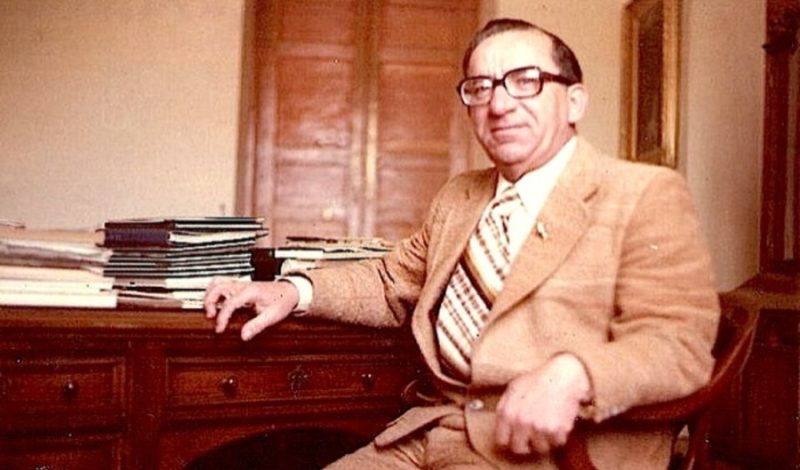
Today marks a significant milestone in Malta’s constitutional history: the 50th anniversary of the transition from a monarchy to a republic. This historic moment laid the foundation for the President of Malta to take on the role of head of state, replacing the symbolic influence of the British monarchy.
The “architect” behind this transformation was Dom Mintoff—fittingly, an architect by profession. Mintoff faced significant obstacles in implementing this change, primarily because altering the constitution required a two-thirds parliamentary majority. This posed challenges, especially given the fragmented support from the opposition—a situation reminiscent of modern challenges in constitutional reforms, such as those related to the appointment of key figures like the Chief Justice.
How the Transition Unfolded
At the heart of the struggle was the shift from Malta’s previous system as a constitutional monarchy. Under Article 79(2) of the Independence Constitution, the Governor-General exercised executive authority on behalf of the monarch, as supported by Article 49, which permitted the Governor-General to serve at Her Majesty’s pleasure.
Mintoff’s objective was to replace the Governor-General with the President of Malta. This new system proposed that the President would be elected by a resolution in the House of Representatives and could similarly be removed under specific circumstances as stipulated by parliamentary procedure. Additionally, this proposed shift required a fundamental restructuring of Parliament itself—moving away from its previous definition under Article 52, which included the monarch as part of the parliamentary body. Similarly, the parliamentary legislative process under Article 73 (which required the Governor-General’s assent for any passed bills) would no longer apply.
A Legal Maneuver to Bypass Obstacles
To implement these reforms, a national referendum would technically have been necessary, given the Constitution’s supremacy under Article 6. However, Mintoff employed a strategic legal approach to sidestep this requirement. At the time, amendments to Article 6 required only a simple parliamentary majority—unlike today’s requirement for a two-thirds majority for constitutional amendments.
This legal window allowed Parliament to pass Act No. LVII of 1974, which amended Article 6 to ensure that any laws passed by Parliament would remain valid regardless of constitutional inconsistencies. This effectively suspended the Constitution’s supremacy, clearing the way for the monarchy’s removal and Malta’s transformation into a republic without needing a public referendum.
Following these changes, Act No. LVIII of 1974 restored the Supremacy Clause, though with one key adjustment: any future amendments to this clause would now require a two-thirds parliamentary majority.
Parliamentary Vote and Approval
When the new Constitution was brought to a parliamentary vote, 49 deputies supported the transition, with the Constitution passing overwhelmingly—achieving over 89% approval among members of Parliament. On the opposing side, George Borg Olivier, Albert Borg Olivier de Puget, Joseph Cassar Galea, Alfred Bonnici, Pawlu Borg Olivier, and Alexander Cachia Zammit voted against the motion.
Meanwhile, prominent members of the Nationalist Party, including Guido De Marco, Ugo Mifsud Bonnici, Eddie Fenech Adami, and Censu Tabone, voted in favour. Interestingly enough, each of them eventually went on to hold the very position they helped establish.