Judge Zammit McKeon is right. As the Ombudsman said in his 2026 press release, Malta has been bound by Protocol No. 12 for years, yet people still cannot rely on it before Maltese courts. In principle, that creates a gap in protection — rights should be enforceable at home, not only in Strasbourg. But at […]
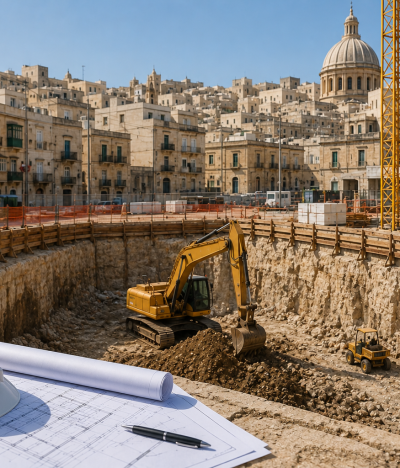
There are few situations more frustrating in planning practice than a project that never quite begins. Applications are filed, meetings are held, amendments are requested, and yet progress seems to stall indefinitely. The law, however, does not always follow practical frustration. It follows structure. The Court of Appeal judgment in Victor Bonavia u Joseph Bonavia […]
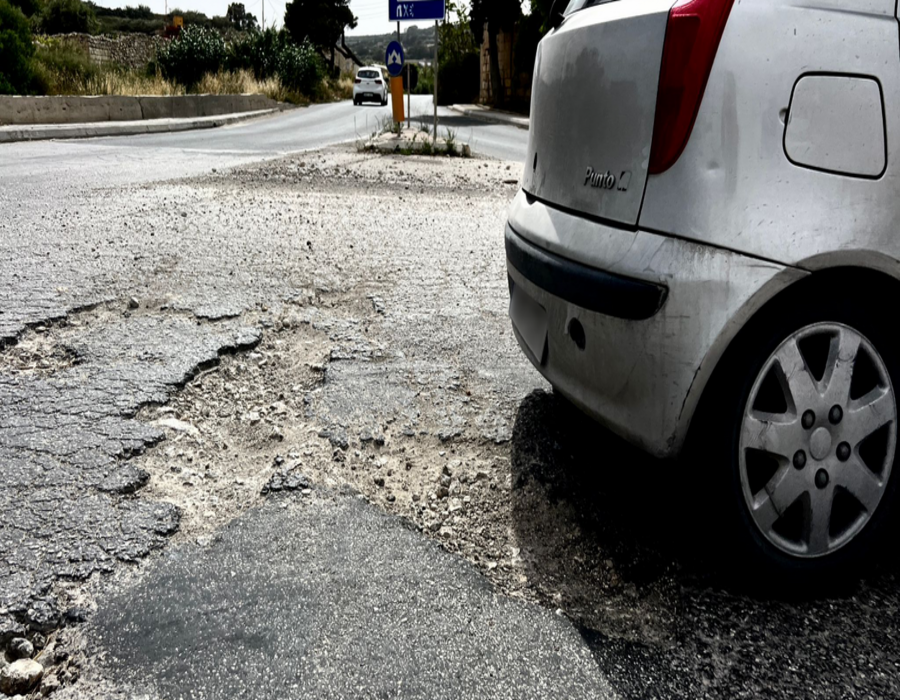
The legal responsibility for roads in Malta does not depend solely on ownership, but on a structured interplay between statutory allocation and the functional character of the road itself. The starting point lies in the legislative division of competences. Maltese law distinguishes between arterial and distributor roads—forming part of the national road network—and other roads […]
Article 495A of the Civil Code (Cap. 16) introduced a judicial mechanism intended to resolve stalemates in co-ownership. Traditionally, Maltese law relied primarily on the action for partition where co-owners could not agree on the fate of the property. Article 495A created an additional remedy by allowing the majority of co-owners to request the court […]
Historic stone buildings often give the impression of permanence. Their thick masonry walls, monumental proportions, and enduring presence in the landscape suggest a material capable of resisting time almost indefinitely. Yet the reality is more nuanced. Stone structures age slowly through a series of subtle physical and chemical processes that, while often invisible at first, […]