It is tempting—especially in planning law—for objectors and even judges to confuse a strong opinion with a legal breach. But the law draws a line. When a decision depends on how something looks, feels, or fits within its surroundings, we are no longer dealing with law—we are dealing with judgment, and that judgment belongs to the Planning Authority or the Environment and Planning Review Tribunal, not the court.
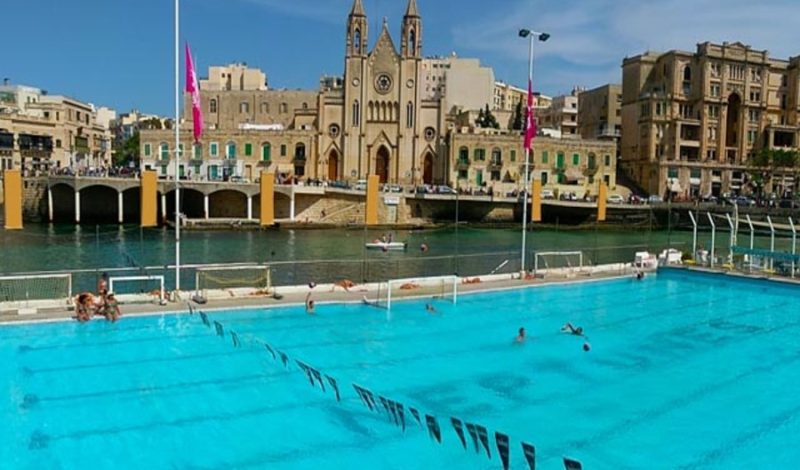
This is why the Neptunes case (Matthew Aquilina vs Planning Authority, App. 1/2025) deserves to be treated as a textbook precedent. The objector in that case argued that a small ATM and ticket booth structure breached planning policy because it obstructed views to the sea. The relevant policy stated in absolute terms:
“temporary and permanent structures that obstruct views to the sea will not be allowed.”
But the Court, presided over by Chief Justice Mark Chetcuti, drew a crucial distinction. It recognised that the Tribunal had already evaluated the situation, reviewed photos and plans, and concluded that the views were not meaningfully obstructed. That was a planning judgment—an evaluative finding of fact—not a breach of law.
In clear terms, the Court stated:
“Dan hu kriterju soggettiv mhux oggettiv u t-Tribunal, fid-diskrezzjoni mogħtija lilu fuq punti fattwali u ta’ ppjanar, qies li din l-istruttura ma ttellifx mill-veduti tal-baħar.”
[Translation: “This is a subjective, not objective, criterion; and the Tribunal, exercising the discretion granted to it over factual and planning matters, found that the structure did not obstruct sea views.”]
And then the clincher:
“Dan mhux punt legali li din il-Qorti tista’ teżamina.”
[Translation: “This is not a legal issue that this Court can examine.”]
This kind of language reflects a disciplined understanding of judicial review. Courts are not meant to re-interpret the view or re-calculate the visual impact. They are not appeal bodies for planning merits. Their function is to ensure the law was followed, not to decide whether a structure is attractive or well-placed.
Really and truly, planning policy is often written in strong terms. But even phrases like “will not be allowed” must still pass through the filter of context, evidence, and professional assessment. The Tribunal found that the promenade was already committed with other similar structures, and that the structure in question had minimal visual impact. The Court respected that conclusion.
The Neptunes case perfectly illustrates what I call the Evaluative Judgment Test: If the application of a taste, or appreciation are a question of fact and courts may, therefore, not intervene unless such appraisal is Wednesbury irrational.