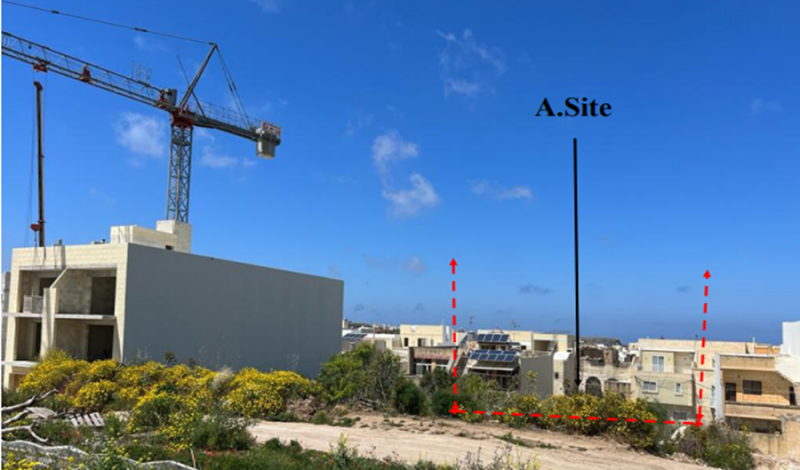
In the case of Carmen Bajada and Flimkien Ghal Ambjent Ahjar vs. the Planning Authority (Appell 56/24JB, PA3678/23), decided by the Planning Tribunal on 13 May 2025, the appellants challenged the renewal of a planning permit for the construction of four residential units in Xaghra, Gozo. Their objections, which raised concerns about environmental impact, height limitations, and heritage protection, were ultimately dismissed. The Tribunal’s ruling reaffirmed the narrow scope of the planning renewal process, reinforcing the principle that the renewal of a permit is not an opportunity to revisit the merits of the original decision unless there has been a material change in circumstances or evidence.
At the heart of this case lies Article 72(4) of the Development Planning Act, which governs the renewal of development permits in Malta. The article establishes the following critical points:
- A development permit may be granted for a limited period and will cease to be operative if the activity or development is not completed within the specified time.
- The Planning Authority is obligated to renew the permit if the application for renewal is made while the original permit is still operative. Moreover, the renewal can be granted for a further period that the Authority deems reasonable.
- The renewal process, however, is not a blanket opportunity for re-evaluation. If there have been changes in planning policies or relevant regulations, these must be considered unless the site has already been committed under the original permit in relation to those new policies or plans.
- Importantly, if the applicant fails to submit a commencement notice for the development, the permit is deemed as never having been utilized.
A renewal application, therefore, is primarily about confirming the continuation of the original development under the same conditions, not an opportunity to rehash objections or reconsider issues that were already decided upon in the original planning process. This legal framework firmly limits the scope for challenging a renewal, as demonstrated by the Tribunal’s handling of the appellants’ objections.
The appellants’ arguments regarding the environmental impact and violations of the SPED policies were dismissed because these concerns had already been considered in the original permit. The Tribunal emphasized that unless the appellants could present evidence of a change in policy that materially affected the development, their arguments were irrelevant in the context of a renewal application.
In light of Article 72(4), the Tribunal’s reasoning underscores the narrow scope of the renewal process. In this case, the Tribunal reaffirmed that the renewal of a permit should not be viewed as an opportunity to re-examine issues that have already been settled. The Tribunal’s ruling emphasized the crucial principle of finality in planning decisions. Once a development has been approved and the conditions of that approval are being fulfilled, any subsequent renewal is considered a procedural formality. The Tribunal clearly stated that it will not reopen discussions on matters that have already been conclusively addressed. The Tribunal’s reasoning aligns with the understanding that a renewal is intended to ensure continuity and confirm that the conditions of the original permit remain valid. Unless there are changes in policies, the renewal process is not designed to revisit the core merits of the development.
I wholeheartedly support this legal reasoning.
A more intriguing question, however, arises when a permit has been renewed multiple times over the years: which permit should be considered the “original” permit—the most recent approval prior to renewal, or the first permit that initially opened the route for renewals?